Obsolescence management
In many industries, systems are designed to have a limited service life.
In many industries, such as aerospace, defence, automotive, rail technology and medical technology, systems are designed to last decades. Aircraft, rail vehicles and medical devices often remain in service for 20 to 30 years or more. However, the electronic components used are subject to significantly shorter innovation and production cycles. Manufacturers often discontinue production after just a few years.
This mismatch between product lifespan and component availability poses considerable challenges for companies.

Once a component is taken off the market, it is no longer available from authorised sources. This can have serious consequences:
- Interruptions in production
- Delays to maintenance and repairs
- Cost-intensive adjustments or redesigns of existing systems
- Problems with regulatory compliance
Another risk arises from the increasing prevalence of counterfeit components. Due to a lack of original components, companies sometimes resort to unofficial sources. The associated quality and safety risks are considerable, particularly in industries where safety is a key consideration.
What is meant by obsolescence management?
It encompasses all processes aimed at identifying and controlling risks associated with the discontinuation of electronic components at an early stage. The goal is to ensure the operability of technical systems and avoid costly production interruptions or system adjustments.
Companies that manage obsolescence strategically thus secure their long-term competitiveness and reduce technological and economic risks.
Industry-specific challenges

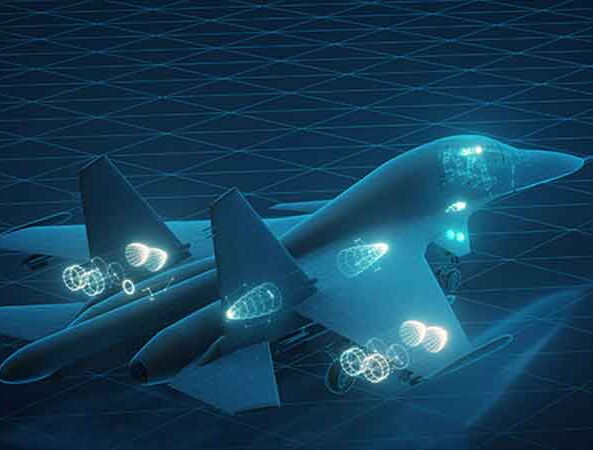
Aerospace/defence
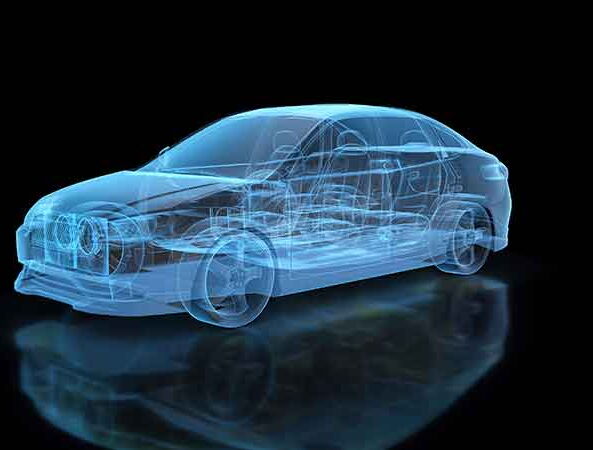

Automotive industry
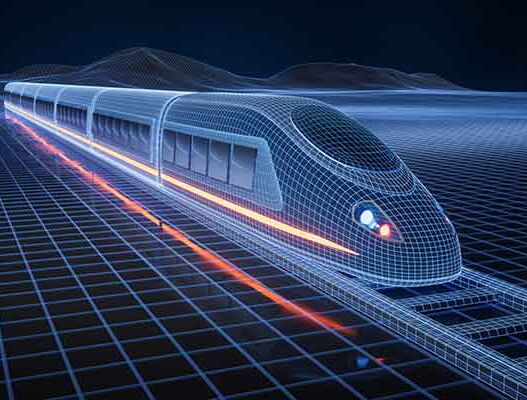
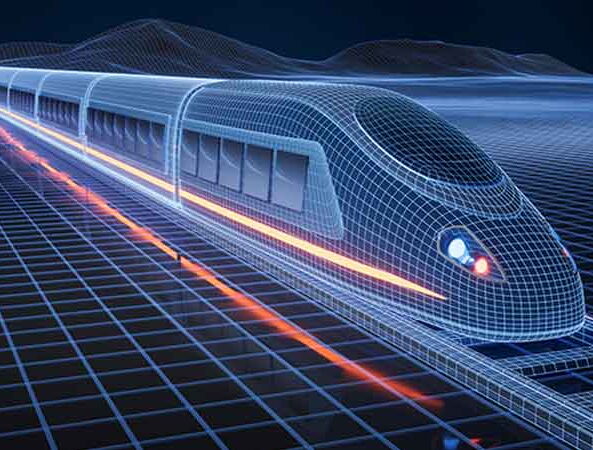
Railway technology